When temperatures climb into the 90s and beyond, most homeowners focus on keeping their air conditioning running and their lawns watered. But there’s another system in your home that takes a beating during summer months, your plumbing. High heat, increased water usage, and seasonal shifts can put unexpected stress on pipes, drains, and sewer lines. Understanding how summer heat can affect your home’s plumbing system helps you catch small issues before they turn into expensive repairs. In this guide, we’ll walk you through the most common warm-weather plumbing problems, share tips for protecting your system, and explain when it’s time to call in a professional.
Why High Temperatures Stress Your Pipes
You might assume that cold weather poses the biggest threat to your plumbing, and sure, frozen pipes are a real concern in winter. But summer brings its own set of challenges that can catch homeowners off guard.
First, let’s talk about expansion. Pipes, especially older metal ones, expand when they get hot. This constant expanding and contracting throughout the day can weaken joints and connections over time. If your pipes run through unconditioned spaces like attics or exterior walls, they’re particularly vulnerable. The temperature swings between scorching afternoons and cooler nights create stress points that may eventually lead to leaks.
Then there’s the issue of increased water pressure. During hot spells, municipal water systems often experience higher demand as everyone waters their lawns and fills their pools. This can cause pressure fluctuations that put additional strain on your home’s plumbing. Old or damaged pipes are especially susceptible, if you’ve noticed water pressure issues or small leaks, summer heat might make them worse.
Hardly anyone thinks about this, but the ground itself shifts during prolonged heat. Soil dries out and contracts, which can cause underground pipes to shift or settle unevenly. In areas like Denver, where we see plenty of sunny days, this soil movement can stress sewer lines and water mains over time.
Common Summer Plumbing Problems to Watch For
Summer plumbing issues often sneak up on homeowners. Here are the problems we see most frequently during the warmer months, and what causes them.
Clogged Drains From Increased Usage
Summer means more activity in your home. Kids are out of school, guests visit more often, and everyone’s taking extra showers to cool off. All that increased usage adds up fast.
More showers mean more hair and soap residue going down the drain. More cooking (hello, summer barbecues) means more grease and food scraps ending up in the kitchen sink. And if you’re hosting guests, your toilets are working overtime.
Garbage disposals take a particular beating during summer. We see a lot of calls for disposal repairs in June and July, usually because someone tried to grind up corn cobs, watermelon rinds, or other tough produce that the unit just can’t handle. These fibrous foods wrap around the blades and create stubborn clogs.
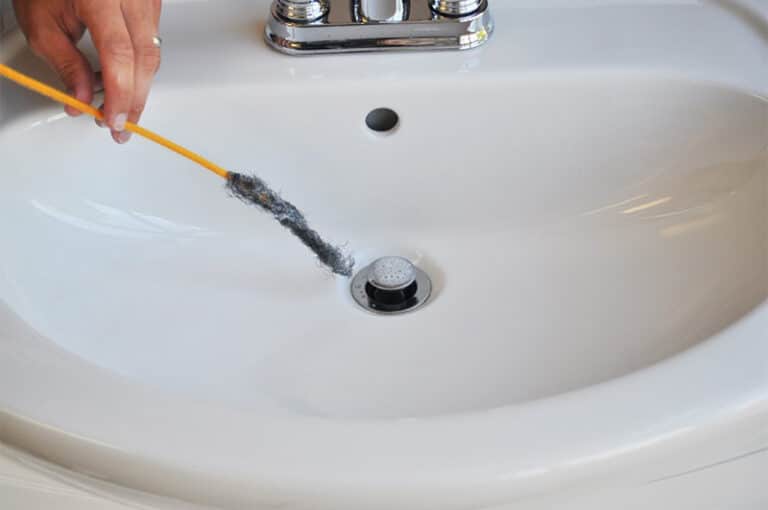
The fix? Be mindful of what goes down your drains. Use drain covers to catch hair, scrape plates into the trash before rinsing, and never pour grease down the sink. Run cold water for 15-20 seconds after using the garbage disposal to flush debris through.
Sewer Line Damage From Tree Root Growth
Trees are thirstiest in summer, and their roots will travel surprisingly far to find water. Unfortunately, your sewer line is basically an underground water source that roots find irresistible.
During hot, dry months, tree roots grow aggressively in search of moisture. They’ll find their way into tiny cracks or joints in sewer pipes and, once inside, they spread quickly. A small root intrusion can turn into a major blockage within a single growing season.
Warning signs of root damage include slow drains throughout the house, gurgling sounds from toilets, frequent backups, and patches of unusually green grass over your sewer line. If you notice any of these, don’t wait, sewer line damage only gets worse (and more expensive) with time.
How to Protect Your Plumbing During Hot Weather
The good news? A little prevention goes a long way. Here’s how to keep your plumbing in good shape all summer long.
Monitor your water pressure. If your home doesn’t have a pressure regulator, consider installing one. High water pressure (above 80 psi) stresses pipes and fixtures. You can pick up a pressure gauge at any hardware store for a few bucks and test it yourself.
Inspect exposed pipes. Take a walk through your basement, crawl space, or garage and look for signs of moisture, corrosion, or small drips. Catching a minor leak early is always better than dealing with water damage later.
Be smart about your sprinkler system. Summer watering schedules put extra demand on your plumbing. Make sure your sprinkler heads aren’t damaged and that the system isn’t leaking underground. An unexpected spike in your water bill often indicates a hidden leak.
Maintain your garbage disposal. Run ice cubes through it occasionally to clean the blades, and always use cold water when grinding food. Avoid putting fibrous vegetables, bones, or grease into the disposal.
Schedule a sewer line inspection. If you have mature trees near your sewer line and haven’t had it inspected in a few years, summer is a great time to get it checked. A camera inspection can spot root intrusion before it causes a backup.
Keep an eye on your water heater. It’s working harder in summer because incoming water is warmer and you’re using more hot water for showers. Listen for strange noises, check for leaks around the base, and make sure the area around it has good ventilation.
When to Call a Professional Plumber
Some plumbing issues are easy DIY fixes. Others require professional attention, and knowing the difference can save you a lot of headaches.
Call a plumber if you notice:
- Multiple slow drains at once (this usually points to a main line issue, not a simple clog)
- Sewage odors inside or outside your home
- Water backing up into sinks, tubs, or floor drains
- Visible leaks or water damage, especially near pipes
- Unexplained increases in your water bill
- Low water pressure throughout the house
- Strange noises coming from your pipes, banging, gurgling, or whistling sounds
At Honest Plumbing, we handle everything from minor pipe repairs to full replacements using quality materials that last. Even minor issues can escalate into larger problems if left unaddressed, so it’s worth getting a professional opinion early.
We also offer emergency plumbing services for urgent situations. A burst pipe or major sewer backup can’t wait for regular business hours. If you’re dealing with a plumbing emergency in the Greater Denver Area, we’ll do our best to get to you as quickly as possible.
Honestly, we’d rather you call us about a small concern than wait until it becomes a major repair. A quick inspection now might save you thousands down the road.
Conclusion
Summer heat affects your plumbing in ways most people don’t expect, from pipe expansion and increased water pressure to clogged drains and aggressive tree root growth. Staying proactive with simple maintenance and knowing when to call for help makes all the difference. If you’re noticing any warning signs or just want peace of mind heading into the hottest months, reach out to Honest Plumbing. We’re here to keep your home’s plumbing running smoothly all summer long.