
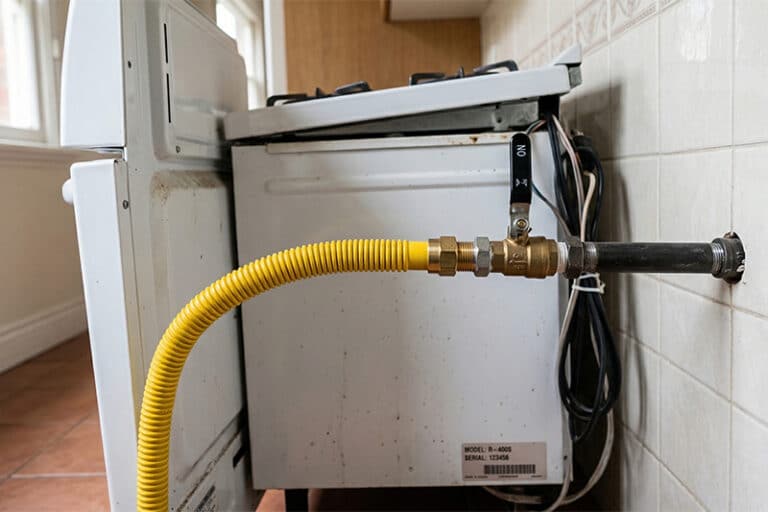
Gas lines are the silent workhorses of your home. They fuel your stove, keep your water heater running, power your fireplace, and even supply that outdoor grill you fire up on summer weekends. But here’s the thing, because gas lines operate out of sight, it’s easy to forget they’re there until something goes wrong.
And when something does go wrong with a gas line, the consequences can be serious. We’re talking potential fires, explosions, and health hazards that can affect everyone in your household. The good news? Gas leaks and line problems almost always give off warning signs before they become emergencies. You just need to know what to look for.
At Honest Plumbing, we’ve spent over 31 years helping Denver-area homeowners identify and fix gas line issues before they escalate. We’re trained and licensed to handle everything from small leak repairs to full gas line installations, and we’ve seen firsthand how catching problems early can save families from dangerous situations. In this guide, we’ll walk you through the five most common warning signs that indicate you need a gas line inspection, and what to do if you spot them.
Rotten Egg or Sulfur Smell in Your Home
If you’ve ever caught a whiff of something that smells like rotten eggs or sulfur in your home, don’t brush it off. This distinct odor is the most recognizable sign of a natural gas leak, and it demands immediate attention.
Natural gas in its pure form is actually odorless and colorless, which would make it nearly impossible to detect. That’s precisely why gas companies add a chemical called mercaptan to the gas supply. Mercaptan produces that unmistakable rotten egg smell, serving as a built-in safety feature to alert you when gas is escaping into your living space.
The intensity of the smell often correlates with the severity of the leak. A faint odor that comes and goes might indicate a small leak, while a strong, persistent smell suggests a more significant problem. Either way, we recommend treating any sulfur-like odor as a serious concern.
What Causes the Distinct Odor
Several factors can cause gas to leak and produce that telltale smell in your home. Aging pipes are a common culprit, over time, metal gas lines can corrode, develop cracks, or loosen at connection points. If your home was built more than 30 years ago and still has its original gas lines, the risk of deterioration increases significantly.
Poorly fitted connections are another frequent cause. When gas appliances aren’t installed correctly, or when fittings weren’t properly sealed during initial installation, small amounts of gas can escape at the joints. We’ve seen plenty of cases where a DIY appliance hookup led to a slow leak that went undetected for months.
Physical damage to gas lines can also trigger leaks. This might happen during home renovations, when digging in the yard near buried lines, or even from natural settling of your home’s foundation that puts stress on the pipes. Earthquakes and severe ground shifting, while less common in the Denver area, can also compromise gas line integrity.
If you smell gas, don’t try to locate the source yourself. Open windows if you can do so safely, avoid using electrical switches or appliances (sparks can ignite gas), and leave the house immediately. Once you’re safely outside, call us at Honest Plumbing or your gas company’s emergency line.
Unexplained Increase in Gas Bills
Here’s a warning sign that many homeowners overlook: a sudden spike in your gas bill without any obvious explanation. If your monthly gas costs have jumped up and you haven’t added new appliances, changed your usage habits, or experienced a particularly cold stretch of weather, a gas leak could be the reason.
When gas escapes through a crack or loose fitting, your system has to work harder to deliver the same amount of fuel to your appliances. It’s like having a hole in your garden hose, you’re paying for gas that’s literally disappearing into thin air (or worse, accumulating somewhere in or around your home).
We recommend keeping an eye on your gas bills month over month. A 10-20% increase during winter months is typically normal as heating demands rise. But if you’re seeing a 30%, 50%, or even higher jump without a clear cause, that’s a red flag worth investigating.
Some homeowners we’ve worked with assumed their higher bills were due to rate increases or general inflation. In several cases, we discovered small leaks in their gas lines that had been silently wasting gas, and money, for months. One family in Arvada was shocked to learn that a pinhole leak in their basement gas line had been costing them an extra $40-60 per month.
The financial impact is significant, but the safety concern matters even more. That escaping gas has to go somewhere, and in enclosed spaces, it can build up to dangerous levels. If your bills don’t add up, schedule a gas line inspection. It’s a small investment that could save you money and protect your family.
Hissing or Whistling Sounds Near Gas Lines
Your ears can be just as valuable as your nose when it comes to detecting gas line problems. A hissing, whistling, or roaring sound near your gas lines, meter, or appliances is a clear indication that gas is escaping under pressure.
The sound occurs because natural gas is delivered through your home‘s pipes at a specific pressure. When there’s a breach in the line, whether it’s a crack, a loose connection, or a damaged valve, the pressurized gas rushes out and creates an audible noise. The larger the leak, the louder the sound typically is.
We’ve responded to calls where homeowners initially thought the hissing was coming from their HVAC system or even a pest problem. Once we investigated, we found compromised gas lines that needed immediate attention. It’s easy to dismiss an unfamiliar sound, especially if it’s subtle. But any persistent hissing near your gas meter, stove, water heater, furnace, or fireplace warrants a closer look, by a professional, not by you poking around with a flashlight.
Pay attention to when you hear the sound. Does it happen only when a specific appliance is running? That might point to a connection issue with that particular unit. Is it constant, regardless of appliance use? That suggests a problem with your main gas line or meter.
Never attempt to fix a suspected gas leak yourself. Even if you’re handy with home repairs, gas line work requires specialized training, proper tools, and knowledge of local codes. At Honest Plumbing, we’re licensed and equipped to handle these repairs safely. We use proven methods to locate leaks, make repairs, and ensure your entire system is secure and compliant with all relevant codes and regulations.
Dead or Dying Vegetation Near Gas Lines
This warning sign is easy to miss, especially if you’re not sure where your underground gas lines run. But if you notice a patch of dead grass, wilting plants, or discolored vegetation in your yard, particularly in an area where there shouldn’t be any obvious cause, an underground gas leak might be to blame.
Natural gas displaces oxygen in the soil when it leaks from buried pipes. Plants need that oxygen to survive, so when gas saturates the ground around their roots, they essentially suffocate. You might see a strip of brown grass cutting across an otherwise healthy lawn, or a single shrub that’s dying while its neighbors thrive.
Another telltale sign is bubbling in puddles or standing water. If gas is escaping from an underground line, it can create visible bubbles as it rises through water-saturated soil. Some homeowners have also reported a slight haze or mist hovering over a particular area of their yard, though this is less common and usually indicates a more substantial leak.
We’ve seen cases where homeowners blamed drought, disease, or even the neighbor’s dog for mysterious dead patches in their lawn. A thorough inspection revealed underground gas leaks that had been slowly releasing gas for weeks or months. In one instance, a homeowner near Denver had noticed dead vegetation near their outdoor grill line for an entire summer before calling us. The leak was small but steady, and addressing it sooner would have been much safer.
If you spot unexplained dead vegetation and suspect it might align with where your gas lines are buried, don’t start digging to investigate. Call a professional. We can safely excavate, locate the problem, and repair it without putting you or your property at additional risk.
Physical Symptoms in Household Members
Perhaps the most alarming warning sign of a gas line problem is when it starts affecting the health of people and pets in your home. Natural gas leaks can cause a range of physical symptoms, and exposure to gas byproducts, particularly carbon monoxide from malfunctioning gas appliances, can be life-threatening.
If multiple family members are experiencing unexplained headaches, dizziness, nausea, or fatigue, and the symptoms seem to improve when they leave the house, a gas leak or carbon monoxide exposure could be the cause. Pets may also show unusual lethargy, loss of appetite, or difficulty breathing.
Natural gas itself can cause symptoms like lightheadedness, respiratory irritation, and fatigue when inhaled in elevated concentrations. But the bigger danger comes from incomplete combustion. When gas appliances don’t burn fuel properly, due to blocked vents, malfunctioning burners, or inadequate oxygen supply, they can produce carbon monoxide, a colorless, odorless gas that’s extremely dangerous.
Recognizing Carbon Monoxide Poisoning Signs
Carbon monoxide poisoning often mimics flu-like symptoms, which makes it particularly insidious. Early signs include headaches, dizziness, weakness, nausea, and confusion. As exposure continues, symptoms can escalate to vomiting, chest pain, loss of consciousness, and in severe cases, death.
The key differentiator between the flu and carbon monoxide poisoning is timing and location. If everyone in your household feels sick at the same time, and symptoms ease when you’re away from home, that’s a major red flag. Carbon monoxide poisoning also typically doesn’t come with a fever, which the flu usually does.
We strongly recommend installing carbon monoxide detectors on every level of your home, especially near bedrooms and gas appliances. These devices can alert you to dangerous CO levels before you even notice symptoms. Many newer detectors also display the current CO concentration, giving you real-time information about your indoor air quality.
If you suspect carbon monoxide poisoning, get everyone, including pets, out of the house immediately and call 911. Don’t go back inside until emergency responders have cleared the home. Then, contact a professional like Honest Plumbing to inspect your gas appliances and lines for the source of the problem.
What to Do If You Suspect a Gas Leak
Knowing the warning signs is crucial, but knowing how to respond is just as important. If you suspect a gas leak in your home, taking the right steps quickly can prevent a minor issue from becoming a catastrophe.
First, don’t panic, but do act fast. If you smell gas, hear hissing, or notice any of the warning signs we’ve discussed, stop what you’re doing and prepare to evacuate.
Avoid creating sparks or flames. Don’t flip light switches, use your phone inside the house, start your car in an attached garage, or light matches. Even a small spark can ignite gas that’s accumulated in the air.
Open doors and windows if it’s safe to do so. Ventilation can help disperse gas, but don’t waste precious time trying to air out your home. Getting out quickly takes priority.
Leave the house and take everyone with you. This includes children, pets, elderly family members, everyone. Move to a safe distance from the home, ideally across the street or at a neighbor’s house.
Call for help from outside. Once you’re safely away, call your gas company’s emergency line or 911. They can dispatch crews to shut off your gas supply at the source. You should also call a licensed professional to inspect and repair the problem.
At Honest Plumbing, we offer fast response times for urgent plumbing and gas line issues in the greater Denver area. If you ever smell gas or hear hissing near a line, call us right away. We’re licensed to handle gas line repairs and installations, and we use safe, proven methods to ensure your system is secure. Whether it’s fixing a small leak or running new lines for appliances, we’ll make sure everything is up to code and functioning safely.
After the immediate danger has passed, schedule a comprehensive gas line inspection. Even if the emergency responders addressed the obvious leak, there may be other vulnerabilities in your system that warrant attention. An inspection can catch potential problems before they become emergencies.
Conclusion
Gas line problems aren’t something to gamble with. The warning signs we’ve covered, sulfur smells, unexplained bill increases, hissing sounds, dead vegetation, and physical symptoms, are your home’s way of telling you something’s wrong. Ignoring them doesn’t make the problem go away: it just gives it time to get worse.
The encouraging news is that most gas line issues are completely fixable when caught early. A professional inspection can identify weaknesses in your system, locate small leaks before they become big ones, and give you peace of mind that your home is safe.
At Honest Plumbing, we’ve been serving homeowners throughout the Denver area for over 31 years. We treat every home as if it were our own, and we believe you deserve straightforward answers, fair prices, and work you can trust. Whether you need a quick repair, a full gas line replacement, or just want an expert to check things out, we’re here to help.
Don’t wait until a small concern becomes an emergency. If you’ve noticed any of these warning signs, or if it’s simply been a while since your gas lines were inspected, give us a call or fill out our online form to schedule a service. Your family’s safety is worth it, and we’ll make sure the job is done right.