
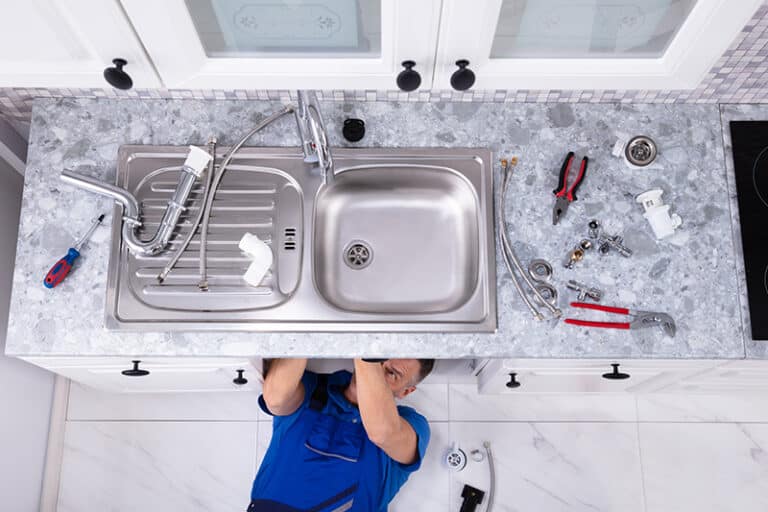
You’ve picked out the cabinets, settled on a countertop material, and maybe even chosen a stunning backsplash. But here’s the thing about kitchen remodels, what happens behind the walls matters just as much as what you see. We’ve watched homeowners pour their energy into finishes and fixtures, only to hit a wall (sometimes literally) when plumbing issues surface mid-project.
Kitchen remodel plumbing isn’t glamorous, but it’s the backbone of every functional kitchen. And when it’s overlooked, budgets balloon, timelines stretch, and frustration sets in. Let’s walk through what most people miss, and how you can avoid those same pitfalls.
Why Plumbing Is the Hidden Challenge in Kitchen Renovations
Here’s a truth that catches many homeowners off guard: your kitchen’s plumbing system is far more complex than it appears. Behind that single sink and dishwasher connection lies a network of supply lines, drain pipes, vent stacks, and shutoff valves, all working together.
During a remodel, everything gets disrupted. Even seemingly simple changes can cascade into bigger issues. Want to add a pot filler above your stove? That requires running a new water line through the wall. Upgrading to a farmhouse sink? The drain height might not match your existing rough-in.
We see it constantly: homeowners budget extensively for visible upgrades while treating plumbing as an afterthought. The problem is, plumbing doesn’t forgive shortcuts. A poorly planned system leads to slow drains, inadequate water pressure, or worse, leaks that damage your brand-new cabinetry. Starting your project with a clear understanding of your existing plumbing layout saves headaches down the road.
Moving Sinks and Appliances: The True Cost of Relocating Fixtures
“We’re just moving the sink a few feet” is one of the most expensive sentences in kitchen remodeling.
Relocating a sink isn’t simply about extending a pipe. You’re dealing with supply lines, drain connections, and venting requirements, all of which need to follow specific codes. Moving a sink even three feet might mean rerouting pipes through floor joists, adjusting the vent stack, and potentially opening up walls or ceilings in adjacent rooms.
The same goes for dishwashers, refrigerators with water lines, and garbage disposals. Each appliance needs proper connections, and moving them means extending or rerouting those connections.
Here’s a rough breakdown of what fixture relocation can involve:
- Minor moves (under 3 feet): Usually manageable, but still requires professional assessment
- Moderate relocations (3-6 feet): Often involves floor or wall work to reroute drains
- Major relocations (across the room): Can add thousands to your budget and requires careful venting consideration
Our advice? If your layout works functionally, think twice before moving major fixtures. The cost savings can be substantial, and those funds might be better spent on quality finishes you’ll actually see every day.
Outdated Pipes and Code Compliance Issues You Might Inherit
Opening up walls during a remodel often reveals surprises, and not the good kind. Galvanized steel pipes from the 1960s. Polybutylene supply lines that are prone to failure. Drain configurations that made sense decades ago but no longer meet current building codes.
Older homes in the Denver area frequently have these hidden issues. Galvanized pipes corrode from the inside out, restricting water flow and eventually springing leaks. We’ve seen homeowners complete beautiful kitchen renovations only to deal with water damage months later because they didn’t address aging pipes while the walls were open.
Code compliance is another consideration. Building codes evolve, and what was acceptable 30 years ago might not pass inspection today. If your remodel requires permits, and most significant kitchen projects do, inspectors will look at your plumbing work. Discovering code violations mid-project creates delays and unexpected costs.
Common issues we encounter include:
- Improper venting configurations
- Undersized drain lines
- Missing or corroded shutoff valves
- Lead solder on copper joints (in pre-1986 homes)
The best time to address these problems is during your remodel when walls are already open and trades are on-site.
Venting, Drainage, and Water Pressure Considerations
Venting might be the most misunderstood aspect of kitchen plumbing. Every drain needs proper venting to work correctly, without it, you get slow drains, gurgling sounds, and sewer gas seeping into your home. It’s not just about connecting pipes: it’s about creating a system that breathes.
When you relocate a sink or add fixtures, the existing vent stack might not adequately serve the new layout. This often means installing additional venting, which can require running pipes through walls and up through the roof. It’s not glamorous work, but it’s essential.
Drainage slope matters too. Drain pipes need a specific pitch, typically 1/4 inch per foot, to function properly. In older homes with settled floors or unusual framing, achieving proper slope can get complicated.
Then there’s water pressure. Adding fixtures or extending supply lines affects pressure throughout your system. If your home already has marginal water pressure, a poorly planned remodel can make things worse. We recommend testing pressure before finalizing your design and sizing supply lines appropriately.
These technical details don’t make for exciting dinner conversation, but they’re the difference between a kitchen that works flawlessly and one that constantly frustrates you.
Budgeting Mistakes That Lead to Mid-Project Surprises
We’ve seen it too many times: a homeowner sets a remodel budget based on visible costs, cabinets, countertops, appliances, and allocates a token amount for “plumbing.”
Then reality hits. The contractor opens the wall and finds corroded pipes. The permit inspector flags the venting configuration. The new sink requires a different drain height. Suddenly, that placeholder budget line becomes a major expense.
Here’s how to budget more realistically:
Get a plumbing assessment early. Before finalizing your design, have a plumber evaluate your existing system. They can identify potential issues and provide rough cost estimates for your planned changes.
Build in contingency. We recommend at least 15-20% contingency specifically for plumbing and other behind-the-wall work. Older homes might warrant even more.
Understand permit costs. Plumbing permits aren’t just paperwork fees, they may require inspections that add time and occasionally reveal additional work.
Don’t defer necessary repairs. If a plumber identifies aging pipes or inadequate venting during your remodel, address it then. Patching things up to save money now often costs more later when problems surface and you have to tear into finished walls.
When to Hire a Professional Plumber vs. DIY
We’ll be honest, some kitchen plumbing tasks are genuinely DIY-friendly. Replacing a faucet, swapping out a garbage disposal, or installing a new supply line to your refrigerator can be handled by a handy homeowner with basic tools and patience.
But there’s a clear line between minor upgrades and work that demands professional expertise.
Hire a professional when:
- Moving or adding drain lines
- Modifying or extending vent stacks
- Working with gas lines (this is non-negotiable)
- Dealing with pipe replacement or major repairs
- Needing permitted work that requires inspection
Consider DIY for:
- Faucet replacement with existing connections
- Simple garbage disposal swaps
- Installing appliance supply lines
- Minor fixture upgrades that don’t change the rough-in
The risks of getting it wrong extend beyond immediate problems. Improper plumbing work can cause water damage, create health hazards from sewer gas, and even affect your homeowner’s insurance if problems arise from unpermitted work.
For kitchen remodels in the Denver area, working with a licensed plumber who understands local codes and common regional issues, like the effects of our hard water on pipes, makes a real difference. At Honest Plumbing, we’ve spent 31 years helping homeowners navigate these decisions with straightforward advice and quality workmanship.
Conclusion
Kitchen remodels are exciting, but the plumbing work behind those beautiful finishes deserves serious attention. By understanding the true scope of fixture relocation, addressing outdated pipes before they become emergencies, and budgeting realistically for the unexpected, you set your project up for success.
Take the time to plan your plumbing correctly, and you’ll enjoy your new kitchen for years, without the leaks, pressure problems, or regrets that plague homeowners who overlooked this critical piece of the puzzle.