
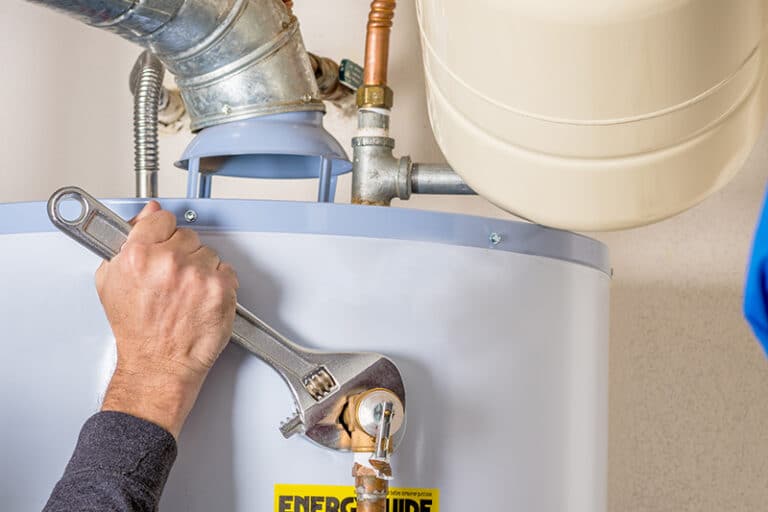
If you’re a homeowner in Arvada or anywhere in the Denver metro area, you’ve probably wondered how long your water heater should actually last. It’s one of those appliances we don’t think much about until the morning shower goes cold or we spot a suspicious puddle in the basement.
Here at Honest Plumbing, we’ve been helping families in Arvada, Denver, Wheat Ridge, and Westminster with their water heater needs for over 31 years. And if there’s one thing we’ve learned, it’s that Colorado throws some unique challenges at your water heater. Between our hard water, cold winters, and high altitude, the lifespan of a water heater here can look pretty different from the national average.
So let’s break it down. We’ll cover what you can realistically expect from your water heater, what factors might shorten or extend its life, and how to know when it’s time to call in a professional.
Key Takeaways
- Tank water heaters in Colorado typically last 8–12 years, while tankless units can last 15–20 years with proper maintenance.
- Colorado’s hard water causes sediment buildup that reduces efficiency and can shave years off your water heater’s lifespan.
- Annual tank flushing and anode rod replacement every 2–3 years are essential to extend your water heater’s life in Colorado.
- Warning signs like inconsistent hot water, rumbling noises, rusty water, or visible leaks indicate it may be time for replacement.
- High altitude and cold winters force water heaters to work harder, making proper installation and insulation critical for longevity.
- Consider replacing your water heater if it’s over 10 years old and repair costs exceed 50% of a new unit’s price.
Average Lifespan of Water Heaters by Type
Not all water heaters are created equal, and the type you have makes a big difference in how long it’ll serve you. Here’s what we typically see in homes across Arvada and the surrounding areas.
Tank Water Heaters
Traditional tank water heaters are still the most common type we encounter in Colorado homes. These units store and continuously heat a reservoir of water (usually 40-80 gallons) so it’s ready when you need it.
On average, a tank water heater lasts about 8 to 12 years. Most local utilities and plumbers, ourselves included, recommend starting to plan for replacement around the 10-year mark. That doesn’t mean your unit will fail at exactly 10 years, but it’s the point where problems tend to become more frequent and repairs start adding up.
In Arvada specifically, we’ve seen some well-maintained units push past 12 years, but we’ve also seen neglected ones fail at 6 or 7. A lot depends on water quality and how much attention the unit gets over the years.
Tankless Water Heaters
Tankless (or on-demand) water heaters heat water only when you need it, which makes them more energy efficient. They’re becoming increasingly popular in newer homes throughout Denver and Westminster.
These units typically last 15 to 20 years or more with proper maintenance. The longer lifespan is one of the main reasons homeowners choose to go tankless when it’s time to replace an old tank unit. Yes, the upfront cost is higher, but you’re looking at nearly double the service life in many cases.
That said, tankless units aren’t maintenance-free. They still need regular descaling, especially in Colorado’s hard water environment.
How Colorado’s Hard Water Affects Water Heater Longevity
Here’s something that catches a lot of homeowners by surprise: Colorado has notoriously hard water, and it’s one of the biggest factors affecting how long your water heater lasts.
Hard water is simply water with high concentrations of dissolved minerals, primarily calcium and magnesium. While it’s safe to drink, these minerals cause problems for your plumbing and appliances over time.
Inside your water heater tank, those minerals settle at the bottom as sediment. This layer of buildup does a few things, none of them good:
- Reduces heating efficiency because your burner or heating element has to work through the sediment layer
- Causes overheating at the bottom of the tank, which weakens the metal
- Accelerates corrosion and makes leaks more likely
- Creates those rumbling or popping sounds you might hear from an older unit
In areas like Arvada, Wheat Ridge, and parts of Denver, the water hardness can be significant enough to shave years off your water heater’s expected lifespan if you’re not proactive about maintenance. We’ve seen tanks that were barely 5 years old filled with an inch or more of sedite scale.
The good news? Regular flushing and anode rod checks can offset a lot of this damage. We’ll get into that more in the maintenance section.
Climate and Altitude Considerations in Colorado
Beyond water quality, Colorado’s climate and elevation create additional stress on water heaters that folks in other parts of the country don’t deal with.
Our cold winters are the obvious one. When incoming water temperatures drop significantly during winter months, your water heater has to work harder to bring that cold water up to your desired temperature. If your unit is installed in an unheated garage or uninsulated basement (pretty common in Arvada homes built in the 60s and 70s), it’s working even harder to compensate for the ambient cold.
Then there’s the altitude factor. At over 5,000 feet, combustion behaves differently than at sea level. Gas water heaters need to be properly sized and configured for high-altitude operation. If the installation wasn’t done correctly, or if someone replaced a unit without accounting for altitude adjustments, you might see reduced efficiency and a shorter lifespan.
Our dry climate also plays a role in how venting systems perform. Proper installation by someone who understands local conditions really matters here.
The temperature swings we get in Colorado can be brutal on any mechanical system too. Going from a 70-degree day to below freezing overnight puts stress on components that milder climates simply don’t experience.
Signs Your Water Heater Needs Replacement
So how do you know when your water heater is on its way out? Here are the warning signs we tell homeowners in Arvada and throughout the Denver area to watch for:
Inconsistent or insufficient hot water – If you’re running out of hot water faster than you used to, or if the temperature fluctuates unpredictably, that’s often a sign the heating element is failing or sediment is taking up tank space.
Rumbling, popping, or banging noises – These sounds usually mean sediment has built up at the bottom of the tank and is being churned around as the water heats. It’s not immediately dangerous, but it does indicate the tank is working harder than it should.
Rusty or discolored hot water – If rust-colored water comes out only when using hot water (not cold), the problem is likely inside your water heater, not your pipes. Check for rust around the pressure relief valve and inlet connections too.
Visible leaks or puddles – Any moisture around the base of your water heater should be investigated immediately. Small leaks can quickly become big ones, and a failing tank can release 40+ gallons of water into your home.
Age – If your tank water heater is over 10-12 years old and showing any of the above symptoms, it’s probably time to start shopping for a replacement rather than sinking money into repairs.
Frequent repairs – When you’ve had the same unit serviced multiple times in recent years, those repair costs add up. At some point, you’re throwing good money after bad.
Tips to Extend Your Water Heater’s Lifespan
The good news is that a little preventive maintenance goes a long way. Here’s what we recommend to homeowners in Arvada, Westminster, Wheat Ridge, and the greater Denver area:
Flush the tank annually – This removes sediment before it has a chance to cause serious damage. You can do this yourself (there are plenty of tutorials online) or have a professional handle it during a routine service call.
Inspect and replace the anode rod every 2-3 years – The anode rod is a sacrificial component designed to attract corrosive elements in the water so they attack the rod instead of your tank. Once it’s depleted, your tank becomes vulnerable. This is one of those tasks that’s easy to forget but can add years to your water heater‘s life.
Insulate your tank and pipes – If your water heater is in an unheated space, an insulation blanket can help it maintain temperature more efficiently. Insulating hot water pipes reduces heat loss and means less work for your heater.
Set the temperature appropriately – Most manufacturers recommend 120°F. Higher temperatures accelerate sediment buildup and wear on components.
Schedule professional inspections – Even if you’re comfortable doing some maintenance yourself, having a licensed plumber look at your system every few years can catch problems before they become emergencies. At Honest Plumbing, we often spot issues during routine visits that would have turned into expensive failures down the road.
Ensure proper installation – If you’re getting a new unit installed, make sure it’s done by someone who understands Colorado’s altitude and water conditions. Improper installation is one of the leading causes of premature water heater failure.
When to Repair vs. Replace Your Water Heater
This is the question we get asked most often. Nobody wants to spend money on a new water heater if the old one can be fixed, but nobody wants to keep pouring money into a dying unit either.
Here’s our general rule of thumb:
Consider replacement if:
- Your tank unit is over 10 years old and experiencing problems
- The tank itself is leaking or showing signs of rust-through (this can’t be repaired)
- The cost of repair is more than about 50% of what a new unit would cost
- You’ve had multiple repairs in the past couple of years
Repair might make sense if:
- The unit is relatively young (under 6-7 years) with an isolated problem
- The issue is a replaceable component like a thermostat, heating element, or pressure relief valve
- The tank itself is in good condition with no signs of corrosion
One thing to keep in mind: technology has improved significantly over the past decade. A new water heater will almost certainly be more energy efficient than what you’re replacing, which means lower utility bills. Sometimes the energy savings alone make replacement worthwhile even if your old unit could limp along for another year or two.
If you’re on the fence, we’re always happy to take a look and give you an honest assessment. That’s been our approach for 31 years, and it’s why we’re called Honest Plumbing.
Conclusion
So, how long should a water heater last in Colorado? For tank units, expect somewhere in the 8-12 year range, with 10 years being a reasonable planning target. Tankless units can go 15-20 years with proper care. But those numbers assume you’re staying on top of maintenance and that your system was installed correctly in the first place.
Colorado’s hard water, cold winters, and high altitude all work against your water heater. That’s just the reality of living here. But with annual flushing, regular anode rod checks, and attention to the warning signs, you can maximize your unit’s lifespan and avoid unpleasant surprises.
If you’re in Arvada, Denver, Wheat Ridge, Westminster, or anywhere in the greater Denver area and you’re wondering about the condition of your water heater, we’d be glad to help. Whether you need a quick repair, a maintenance check, or you’re ready for a replacement, Honest Plumbing offers upfront pricing and same-day or next-day service whenever possible.
Contact us today to schedule your service. We look forward to earning your trust and keeping your hot water flowing.
Frequently Asked Questions
How long should a water heater last in Colorado?
In Colorado, tank water heaters typically last 8 to 12 years, with 10 years being a good planning target. Tankless water heaters can last 15 to 20 years with proper maintenance. However, Colorado’s hard water, cold winters, and high altitude can shorten lifespan without regular upkeep.
Why does Colorado’s hard water affect water heater lifespan?
Colorado’s hard water contains high concentrations of calcium and magnesium that settle as sediment inside your tank. This buildup reduces heating efficiency, causes overheating, accelerates corrosion, and can shave years off your water heater‘s expected lifespan if not addressed through regular flushing and maintenance.
What are the signs that a water heater needs to be replaced?
Key warning signs include inconsistent or insufficient hot water, rumbling or popping noises, rusty or discolored hot water, visible leaks or puddles around the base, and frequent repairs. If your tank water heater is over 10 years old and showing these symptoms, it’s time to consider replacement.
How can I extend my water heater’s lifespan in Colorado?
Flush the tank annually to remove sediment, inspect and replace the anode rod every 2-3 years, insulate your tank and pipes if in unheated spaces, set the temperature to 120°F, and schedule professional inspections. These steps can add years to your water heater‘s life despite Colorado’s challenging conditions.
Is a tankless water heater worth the investment in Colorado?
Yes, tankless water heaters offer nearly double the lifespan of traditional tanks (15-20 years vs. 8-12 years) and are more energy efficient. While upfront costs are higher, the longer service life and lower utility bills often make them worthwhile, especially when replacing an aging tank unit.
Does high altitude affect water heater performance?
Yes, at elevations above 5,000 feet like Colorado, combustion in gas water heaters behaves differently than at sea level. Units must be properly sized and configured for high-altitude operation. Improper installation without altitude adjustments can reduce efficiency and significantly shorten your water heater‘s lifespan.