There’s nothing quite like stepping into a cold shower on a January morning in Arvada to make you appreciate your water heater. We get it. Hot water isn’t a luxury, it’s essential for cooking, cleaning, bathing, and just about everything else you do at home.
But what happens when your water heater starts acting up? Maybe it’s making weird sounds, or the hot water runs out faster than it used to. Perhaps you’ve noticed a small puddle forming at the base. The big question every homeowner faces: should you repair it or replace it entirely?
At Honest Plumbing, we help homeowners throughout Arvada, Denver, Wheat Ridge, and Westminster make this exact decision every week. And honestly, the answer isn’t always straightforward. Sometimes a quick fix gets you years more service. Other times, you’re just throwing money at a dying appliance. Let’s walk through how to tell the difference.
Key Takeaways
- Repair your water heater if it’s under 6 years old and the fix costs less than 50% of a replacement.
- Replace your water heater when it’s over 10 years old, shows visible tank corrosion, or has required multiple recent repairs.
- Common repairable issues include thermostat failures, heating element problems, and sediment buildup—typically costing $100 to $400.
- Tank leaks from the body (not fittings) indicate structural damage that cannot be permanently fixed, making replacement necessary.
- Annual maintenance like tank flushing and anode rod replacement can extend your water heater’s lifespan by several years.
- When deciding to repair vs. replace your water heater, weigh the unit’s age, repair costs, and overall condition to make the smartest financial choice.
Signs Your Water Heater Needs Attention
Your water heater doesn’t just quit one day without warning. It usually sends signals first. Knowing what to look for can save you from an unexpected cold shower, or worse, a flooded basement.
Inconsistent water temperature is one of the most common complaints we hear from Arvada homeowners. You’re in the shower, everything’s fine, then suddenly the water goes cold for no reason. This typically points to thermostat or heating element problems, especially in electric units.
Rusty or discolored water coming from your hot water taps is another warning sign. If the cold water runs clear but the hot water looks orange or brown, your anode rod may be deteriorating. This rod is designed to attract corrosive elements and protect your tank, when it fails, the tank itself starts to corrode.
Other red flags include:
- Strange noises like popping, rumbling, or banging sounds (usually sediment buildup)
- Reduced hot water supply, the tank just doesn’t produce as much as it used to
- Visible leaks around the tank base or connections
- Higher utility bills without a clear explanation
- Pilot light problems on gas units that keep going out
If you’re noticing any of these issues, it’s worth getting a professional evaluation sooner rather than later. Small problems tend to become big problems if you ignore them.
Common Problems Worth Repairing
Here’s some good news: not every water heater problem means you need a new unit. Many issues, especially in younger heaters, can be fixed for a reasonable cost.
Thermostat and Heating Element Issues
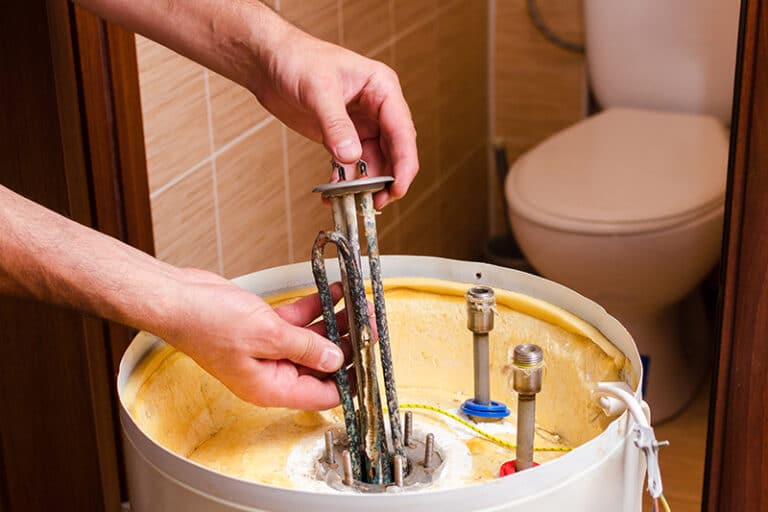
Electric water heaters use heating elements and thermostats to warm the water in your tank. When these components fail, you might get lukewarm water, no hot water at all, or wildly inconsistent temperatures.
The fix? Replacing a thermostat or heating element typically costs between $150 and $350, a fraction of what you’d spend on a new water heater. For a unit that’s only a few years old, this repair makes complete sense and can extend your heater‘s life by several more years.
Gas water heaters have their own set of repairable issues. A faulty thermocouple, for instance, will cause your pilot light to keep going out. This is usually a straightforward fix that doesn’t require replacing the whole unit.
Sediment Buildup and Minor Leaks
Arvada and the surrounding Denver metro area have moderately hard water, which means mineral deposits can accumulate in your tank over time. This sediment settles at the bottom and causes those rumbling or popping sounds you might hear. It also makes your heater work harder, reducing efficiency.
The solution is often a tank flush, a maintenance procedure that drains the sediment out and restores your heater’s performance. We recommend doing this annually, though many homeowners in Wheat Ridge and Westminster forget until problems arise.
Minor leaks around fittings, connections, or the pressure relief valve are also typically repairable. A leaking valve might just need replacement or adjustment. Loose connections can be tightened or resealed. These aren’t major expenses, and they’re definitely worth addressing before they become bigger issues.
When Replacement Makes More Sense
Sometimes repair just isn’t the smart move. Knowing when to stop investing in an old water heater can save you money and headaches in the long run.
Age and Efficiency Considerations
Most traditional tank water heaters last 8 to 12 years. If your unit is pushing past the decade mark, you should think carefully before authorizing major repairs.
Here’s a simple rule we use: if the repair cost exceeds 50% of what a new water heater would cost, replacement usually makes more financial sense. You’re essentially buying a few more years on an aging appliance when you could invest that money in something new with a full warranty.
Efficiency matters too. Water heaters manufactured 10+ years ago aren’t as energy-efficient as modern units. An older heater might cost you $50 to $100 more per year in energy bills compared to a newer model. Over time, those savings add up.
For Arvada homeowners considering an upgrade, tankless water heaters have become increasingly popular. They cost more upfront but can last 20+ years and provide endless hot water on demand. They’re not right for every home, but they’re worth considering if replacement is on the table.
Major Tank Damage and Corrosion
Some problems simply can’t be fixed. If you see rust on the outside of your tank, that’s often a sign of internal corrosion. Once the tank itself starts to corrode, it’s only a matter of time before it fails completely.
Leaks from the tank body (not the fittings or valves) indicate serious structural damage. No repair will permanently fix a corroded or cracked tank. You can delay the inevitable, but you can’t reverse it.
Other replacement triggers include:
- Frequent breakdowns requiring multiple service calls in a short period
- Persistent leaks that keep returning after repairs
- Significant rust in your hot water even though a new anode rod
- The tank can’t keep up with your household’s hot water needs
When we see these signs, we’re honest about it, hence our name. There’s no point in paying for a repair that won’t actually solve the underlying problem.
Cost Comparison: Repair vs. Replacement
Let’s talk numbers. Understanding the actual costs helps you make an well-informed choice.
Common Repair Costs:
| Repair Type | Typical Cost Range |
|---|---|
| Thermostat replacement | $150 – $250 |
| Heating element replacement | $150 – $350 |
| Anode rod replacement | $150 – $300 |
| Pressure relief valve | $100 – $200 |
| Tank flush/sediment removal | $100 – $200 |
| Gas valve or thermocouple | $150 – $400 |
More complex repairs, like addressing multiple failing components, can push costs toward $600 to $1,000.
Replacement Costs:
A new standard tank water heater, including installation, typically runs between ,200 and ,000 in the Arvada and Denver area. The price depends on tank size, fuel type, and brand. A 50-gallon gas water heater, for example, costs more than a 40-gallon electric unit.
Tankless water heaters are a bigger investment, ranging from ,500 to ,000 installed. But they offer long-term energy savings and a longer lifespan, which can offset the higher upfront cost over time.
Here’s the math that matters: if your 9-year-old water heater needs a $500 repair, and a new unit costs $1,500, that repair is a gamble. You might get two more years out of it, or you might face another failure in six months. A newer heater under warranty is simply a safer bet at that point.
How to Make the Right Decision
So how do you actually decide? Here’s the framework we recommend to homeowners in Arvada and the surrounding communities.
Lean toward repair if:
- Your water heater is less than 6 years old
- The problem is isolated to a single component (thermostat, element, valve)
- Repair costs are well under 50% of replacement cost
- You haven’t had other recent issues with the unit
- The tank shows no signs of corrosion or structural damage
Lean toward replacement if:
- Your unit is 10+ years old
- You’ve had multiple repairs in the past year or two
- There’s visible rust on the tank or persistent rusty water
- The tank itself is leaking (not just fittings or valves)
- Your energy bills have increased noticeably
- You’re constantly running out of hot water
There’s also a middle ground. If your heater is 6 to 10 years old, the decision often comes down to the specific problem and your risk tolerance. Some people prefer the peace of mind that comes with a new unit and warranty. Others are comfortable getting more life out of their current heater.
Don’t forget maintenance. Regular upkeep can prevent many problems and extend your water heater’s life by years. We recommend:
- Flushing the tank annually to remove sediment
- Testing the pressure relief valve once a year
- Replacing the anode rod every 3 to 5 years
- Having a professional inspection if you notice any warning signs
Proper maintenance is especially important in Denver metro areas like Arvada, Westminster, and Wheat Ridge, where water quality can contribute to faster sediment buildup.
Conclusion
The repair vs. replace decision doesn’t have to be stressful. It comes down to age, cost, and condition. Younger units with minor problems are usually worth fixing. Older units with major issues or a history of breakdowns are better off replaced.
If you’re not sure where your water heater falls, that’s where we come in. At Honest Plumbing, we serve homeowners throughout Arvada, Denver, Wheat Ridge, and Westminster with straightforward advice and quality workmanship. We’ll inspect your water heater, explain exactly what’s going on, and give you our honest recommendation, whether that’s a simple repair or a full replacement.
No pressure, no unnecessary upsells. Just practical solutions that make sense for your home and budget.
Ready to get your water heater evaluated? Give Honest Plumbing a call today. We’ll help you figure out the best path forward so you can get back to enjoying reliable hot water without the worry.
Frequently Asked Questions
When should I replace my water heater instead of repairing it?
You should replace your water heater if it’s over 10 years old, has visible rust on the tank, leaks from the tank body, requires frequent repairs, or consistently runs out of hot water. If repair costs exceed 50% of a new unit’s price, replacement is typically the smarter financial choice.
How long do water heaters typically last?
Traditional tank water heaters last 8 to 12 years with proper maintenance. Tankless water heaters can last 20+ years. Lifespan depends on water quality, usage, and regular maintenance like annual tank flushing and anode rod replacement every 3 to 5 years.
What are common water heater problems that can be repaired?
Many water heater issues are repairable, including faulty thermostats, heating element failures, sediment buildup, pilot light problems, and minor leaks around fittings or valves. These repairs typically cost 0 to 0 and make sense for units under 6 years old without tank corrosion.
How much does it cost to repair vs. replace a water heater?
Common repairs range from $100 to $400 for individual components like thermostats or heating elements. New tank water heater installation costs $1,200 to $3,000, while tankless units run $2,500 to $5,000. Compare repair costs against 50% of replacement cost to guide your decision.
What are the warning signs that my water heater is failing?
Key warning signs include inconsistent water temperature, rusty or discolored hot water, strange popping or rumbling noises, reduced hot water supply, visible leaks around the tank base, higher utility bills, and pilot light issues on gas units. Address these early to prevent costly failures.
Is a tankless water heater worth the investment?
Tankless water heaters cost more upfront but offer long-term benefits including 20+ year lifespan, endless hot water on demand, and energy savings of to 0 annually compared to older tank units. They’re worth considering when replacing an aging water heater, though not ideal for every home.