
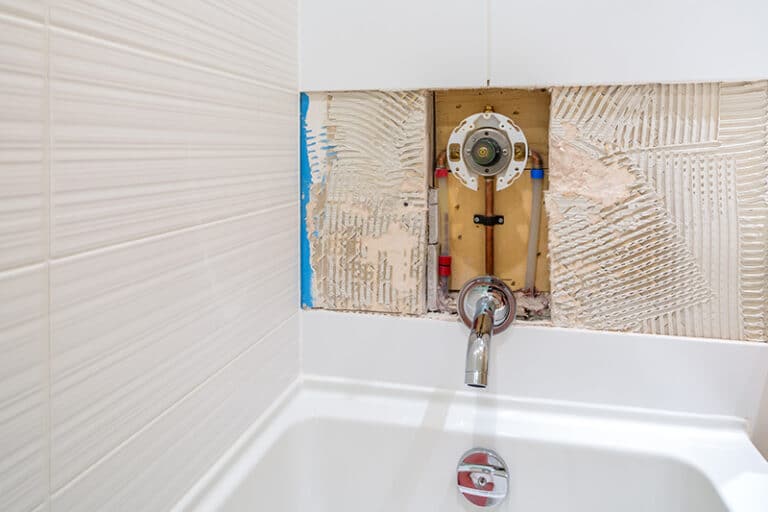
A bathroom remodel can transform one of the most-used rooms in your home, but jumping in without a plan often leads to budget overruns, unexpected delays, and frustrating surprises. Whether you’re dreaming of a spa-like retreat or simply updating outdated fixtures, the decisions you make before construction begins will shape the entire project.
We’ve seen homeowners make costly mistakes that could have been avoided with proper preparation. From setting a realistic budget to understanding permit requirements, there’s a lot to consider before swinging the first hammer. In this guide, we’ll walk you through everything you need to know before starting a bathroom remodel so you can approach your project with confidence.
Setting a Realistic Budget for Your Bathroom Remodel
Let’s be honest: bathroom remodels rarely come in under budget. That’s why establishing a realistic number from the start is so important. The average bathroom renovation costs between $10,000 and $30,000, depending on the scope, but costs can climb quickly if you’re moving plumbing, upgrading electrical, or choosing high-end materials.
We recommend breaking your budget into categories: labor (typically 40-50% of total costs), materials, fixtures, and a contingency fund. That contingency, usually 10-20% of your total budget, isn’t optional. It’s essential. Hidden water damage, outdated wiring, or unexpected plumbing issues have a way of revealing themselves once walls come down.
Before you fall in love with that rainfall showerhead or heated tile floor, get quotes from contractors and price out your must-have items. Prioritize where you’ll splurge and where you can save. A quality toilet works just as well at 0 as it does at 0, but skimping on waterproofing or plumbing can cost you dearly down the road.
Deciding Between a Full Renovation and a Partial Update
Not every bathroom needs a gut renovation. Sometimes a partial update delivers the transformation you want at a fraction of the cost and time.
A full renovation makes sense when you’re dealing with structural problems, outdated plumbing, poor layout, or significant water damage. It’s also the right choice if your current bathroom simply doesn’t meet your needs, maybe you want to expand the shower, add double vanities, or improve accessibility.
A partial update, on the other hand, works well when the bones are good but the style is dated. Replacing fixtures, updating lighting, installing a new vanity, or re-tiling can dramatically change the look without the expense and disruption of tearing everything out.
Ask yourself: What’s actually bothering us about this bathroom? If it’s purely cosmetic issues, a targeted refresh might be all you need. But if you’re constantly dealing with plumbing problems, poor ventilation, or a layout that doesn’t work, investing in a full renovation will serve you better long-term.
Understanding Permits and Building Code Requirements
This isn’t the exciting part of planning, but it’s one of the most important. Many homeowners don’t realize that bathroom remodels often require permits, especially when plumbing, electrical, or structural changes are involved.
Permit requirements vary by location, so check with your local building department before work begins. Generally, you’ll need permits if you’re:
- Moving or adding plumbing fixtures
- Changing electrical wiring or adding circuits
- Altering walls or structural elements
- Installing new ventilation systems
Skipping permits might seem like a way to save time and money, but it can backfire. Unpermitted work can create problems when you sell your home, void insurance claims, and even result in fines or required demolition.
Building codes also dictate specific requirements for bathroom construction, things like minimum clearances around toilets, GFCI outlet placement, and ventilation standards. A licensed contractor will know these requirements, but if you’re handling any portion yourself, do your assignments.
Choosing the Right Materials and Fixtures
Your material and fixture choices affect everything from aesthetics to durability to long-term maintenance. Bathrooms are high-moisture environments, so selecting materials that can handle humidity and water exposure is critical.
For flooring, porcelain and ceramic tile remain popular choices because they’re waterproof and durable. Natural stone looks beautiful but requires more maintenance and sealing. Luxury vinyl has come a long way and offers a budget-friendly, water-resistant alternative.
When it comes to fixtures, quality matters more than you might think. Cheap faucets and showerheads can leak, corrode, or break within a few years. We recommend investing in reputable brands with solid warranties. The same goes for toilets, look for WaterSense-certified models that balance efficiency with performance.
Don’t forget about ventilation. A properly sized exhaust fan prevents mold growth and protects your investment. It’s not glamorous, but it’s essential.
Finally, think about your plumbing connections. If you’re upgrading fixtures, this is the perfect time to address any underlying plumbing issues, old supply lines, corroded valves, or outdated drain assemblies.
Hiring Contractors vs. DIY: What Makes Sense for Your Project
The DIY route can save money on simpler tasks like painting, installing accessories, or even swapping out a vanity. But bathroom remodels often involve work that’s best left to licensed professionals.
Plumbing and electrical work, in particular, require expertise and proper permitting. Mistakes in these areas aren’t just inconvenient, they can cause water damage, create safety hazards, or violate code. If your remodel involves moving fixtures, installing new supply lines, or updating drainage, hiring a qualified plumber ensures the job is done correctly.
When selecting contractors, get multiple quotes and check references. Look for licensed, insured professionals who specialize in bathroom renovations. Be wary of bids that seem too good to be true, they usually are.
A good contractor will also help you anticipate problems. They’ll know to check for water damage behind walls, assess whether your existing plumbing can support your new layout, and identify potential code issues before they become expensive surprises.
For homeowners in the Denver area, working with a trusted local plumber like Honest Plumbing can make a real difference. Having someone who understands regional plumbing challenges and can coordinate with your general contractor keeps the project moving smoothly.
Creating a Timeline and Preparing for Disruptions
Bathroom remodels take longer than most people expect. A straightforward renovation typically takes two to three weeks, while larger projects involving layout changes or custom work can stretch to six weeks or more.
We suggest building buffer time into your expectations. Delays happen, materials get backordered, inspections take longer than planned, or unexpected issues surface during demolition. It’s better to be pleasantly surprised than constantly frustrated.
Preparing for life without your bathroom is equally important. If you’re renovating your only bathroom, you’ll need a plan. Can you use a neighbor’s or family member’s bathroom? Is renting a portable toilet practical for your situation? These aren’t fun conversations, but having a strategy reduces stress.
Set up a temporary space with essentials: toiletries, towels, and anything you’ll need daily access to. If you have multiple bathrooms, expect increased traffic on the remaining one.
Communicate clearly with your contractor about scheduling. Know when workers will arrive, how long they’ll be there each day, and what milestones to expect each week. Good communication prevents misunderstandings and keeps everyone on the same page.
Conclusion
Starting a bathroom remodel without proper planning is a recipe for headaches and regret. By setting a realistic budget, understanding permit requirements, choosing quality materials, and assembling the right team, you’ll position your project for success.
Take the time to make informed decisions now, and you’ll end up with a bathroom that not only looks great but functions beautifully for years to come. And remember, when it comes to plumbing, getting it right the first time always beats fixing problems later.