
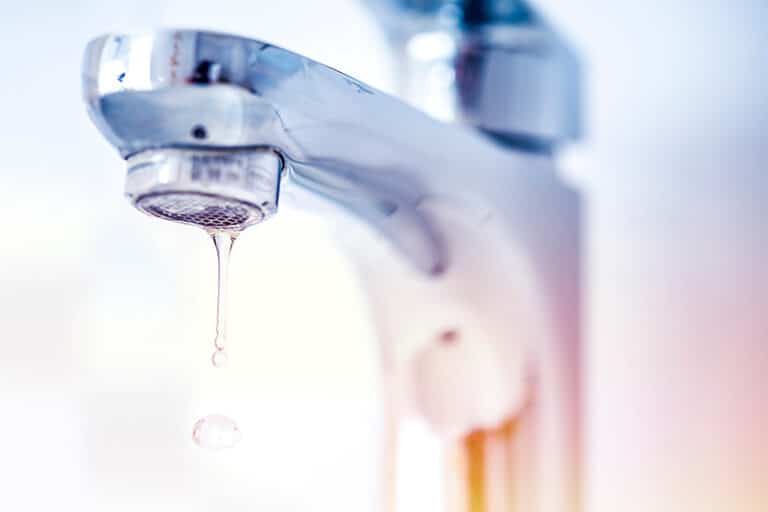
A kitchen leak might seem like a small inconvenience at first, a drip here, a damp spot there. But left unchecked, even minor leaks can escalate into costly water damage, mold growth, and sky-high utility bills. We’ve seen it happen more times than we can count: homeowners who ignored that persistent drip under the sink only to find themselves dealing with rotted cabinets and flooring repairs months later.
The good news? Most kitchen plumbing leaks are preventable. With a bit of knowledge and some proactive habits, you can catch potential problems early, or stop them from developing altogether. In this guide, we’ll walk you through the common causes of kitchen leaks, share practical maintenance tips, and help you understand when it’s time to bring in a professional. Whether you’re a new homeowner or you’ve been managing your property for years, these strategies will help keep your kitchen plumbing in top shape.
Common Causes of Kitchen Plumbing Leaks
Before you can prevent leaks, it helps to understand what causes them in the first place. Kitchen plumbing takes a beating, between daily dishwashing, garbage disposal use, and the constant flow of water through pipes, there’s a lot of wear happening behind the scenes. Let’s break down the two most common culprits.
Worn-Out Seals and Connections
Every plumbing fixture in your kitchen relies on seals, gaskets, and connections to keep water flowing where it should. Over time, these components naturally degrade. The rubber washers inside your faucet handles can dry out and crack. The seal around your sink’s drain basket can loosen. Supply line connections under the sink can gradually work themselves loose from vibration and regular use.
Faucets are particularly vulnerable. That slow drip you’ve been ignoring? It’s often caused by a worn O-ring or corroded valve seat. And while a dripping faucet might not seem urgent, even a single drip per second can waste over 3,000 gallons of water per year. That’s not just bad for the environment, it’s money literally going down the drain.
The connections between your water supply lines and fixtures deserve attention too. Braided stainless steel supply lines are more durable than older rubber or plastic options, but they still need periodic inspection. We recommend checking these connections every few months for signs of moisture, bulging, or corrosion.
Corrosion and Pipe Deterioration
If your home has older plumbing, corrosion could be silently eating away at your pipes. Galvanized steel pipes, common in homes built before the 1970s, are especially prone to rust buildup inside the pipe walls. This corrosion not only restricts water flow but can eventually eat through the pipe entirely, causing leaks.
Copper pipes fare better but aren’t immune to problems. In areas with aggressive water chemistry (high acidity or mineral content), copper can develop pinhole leaks over time. These tiny holes often go unnoticed until you spot water stains on cabinets or notice a musty smell.
Even PVC drain pipes can deteriorate. While they don’t corrode like metal, the joints and fittings can weaken, especially if they were improperly glued during installation. Temperature fluctuations can also cause plastic pipes to expand and contract, loosening connections over time.
The bottom line? Age matters. If your home’s plumbing is more than 25-30 years old, it’s worth having a professional assess the condition of your pipes before problems surface.
Regular Inspection and Maintenance Habits
Prevention really comes down to one thing: paying attention. We know life gets busy, and checking your plumbing probably isn’t high on your weekend to-do list. But a few minutes of inspection every month can save you thousands in repair costs down the road.
Start under the sink. This is ground zero for kitchen leaks, and it’s where problems often hide unnoticed. Clear out those cleaning supplies and take a good look around. Feel the pipes and connections, are they dry? Check the bottom of the cabinet for any signs of moisture, warping, or discoloration. A flashlight helps here. Look at the supply lines feeding your faucet and dishwasher. Any visible corrosion, kinks, or bulges mean it’s time for replacement.
While you’re down there, run the water and watch. Turn on both hot and cold faucets and let them run for a minute. Watch the connections and drain pipes for any drips or seepage. Sometimes leaks only appear when water is actively flowing.
Don’t forget the garbage disposal. Check the connection where it meets the sink drain and the discharge tube leading to your drain pipe. These joints are common leak points, especially if the disposal sees heavy use. If you notice any wobbling or movement in the disposal unit itself, the mounting hardware may need tightening.
Your dishwasher deserves attention too. Pull it out from the cabinet (carefully.) once or twice a year to inspect the supply line and drain hose. Look for any signs of moisture on the floor beneath it. Many dishwasher leaks go undetected because they’re hidden behind the unit.
Keep a simple maintenance log if it helps you stay on track. Note when you last inspected different areas and any concerns you spotted. This record becomes valuable if you ever need to file an insurance claim or discuss issues with a plumber.
Protecting Your Pipes From Daily Wear
Your daily habits have a bigger impact on your plumbing than you might realize. Small changes in how you use your kitchen sink can significantly extend the life of your pipes and prevent leaks.
Watch What Goes Down the Drain
We get it, the garbage disposal is convenient. But treating it like a trash can is a recipe for plumbing problems. Grease, oil, and fat are the biggest offenders. They might flow down as liquids, but they solidify as they cool, coating your pipes and eventually causing blockages. When drains back up, the pressure can stress joints and connections, leading to leaks.
Instead of pouring cooking grease down the drain, let it cool and dispose of it in the trash. Wipe greasy pans with a paper towel before washing. It’s a small habit that makes a big difference.
Fibrous foods like celery, asparagus, and corn husks can wrap around disposal blades and clog drains. Coffee grounds, eggshells, and pasta (which expands with water) are also problematic. When in doubt, throw it out, in the garbage, not the disposal.
Even if you’re careful about what goes down the drain, periodic cleaning helps. Once a month, flush your drains with hot water for a few minutes. Some people swear by a baking soda and vinegar flush, though we’ve found that regular hot water works just as well for maintenance. Avoid chemical drain cleaners, they can corrode pipes over time and create more problems than they solve.
Manage Water Pressure Effectively
High water pressure might feel great in the shower, but it’s tough on your plumbing. Excessive pressure stresses pipes, fittings, and appliance connections. Over time, this constant strain can cause joints to fail and seals to blow out.
Most homes should have water pressure between 40 and 80 psi. You can check yours with an inexpensive pressure gauge that attaches to an outdoor spigot or the water supply valve under your sink. If your pressure consistently exceeds 80 psi, consider installing a pressure-reducing valve. It’s a relatively simple fix that can prevent a lot of headaches.
Water hammer, that loud banging sound when you shut off a faucet quickly, is another pressure-related issue. It creates shock waves in your pipes that can loosen connections over time. Water hammer arrestors can be installed to absorb these shocks and protect your plumbing.
Upgrading Fixtures and Components
Sometimes prevention means being proactive about replacing components before they fail. We’re not suggesting you overhaul your entire kitchen plumbing on a whim, but strategic upgrades can prevent leaks and give you peace of mind.
Supply lines are a smart place to start. If you still have rubber or plastic supply lines under your sink, replace them with braided stainless steel versions. They’re more resistant to bursting and typically last much longer. The investment is minimal, usually under $20 per line, and installation is straightforward for most homeowners.
Faucets don’t last forever. If yours is more than 15-20 years old and you’re constantly replacing washers or dealing with drips, a new faucet might be the better investment. Modern faucets often feature ceramic disc valves that are more durable and less prone to leaking than older compression-style valves. Plus, you’ll likely save water with newer, more efficient designs.
Consider the condition of your shut-off valves too. These are the small valves under your sink that control water flow to the faucet and dishwasher. Older gate valves can seize up from lack of use, making them useless in an emergency. Replacing them with quarter-turn ball valves ensures you can quickly shut off water if a leak develops.
If your garbage disposal is aging or giving you trouble, replacing it before it fails completely prevents the mess and potential water damage of a sudden breakdown. Most disposals last 10-12 years with proper care. If yours is approaching that age and making unusual noises or jamming frequently, it’s probably time.
For older homes with galvanized or deteriorating pipes, repiping sections of your kitchen plumbing might be worth considering. Yes, it’s a bigger investment, but it eliminates the ongoing risk of leaks from corroded pipes. Modern PEX or copper piping can last 50+ years with proper installation.
When to Call a Professional Plumber
DIY maintenance goes a long way, but some situations call for professional expertise. Knowing when to pick up the phone can save you from turning a small problem into a major disaster.
Call a plumber if you notice water stains on ceilings or walls, especially if they’re below your kitchen. This often indicates a hidden leak that needs professional detection equipment to locate accurately. Similarly, if your water bill suddenly spikes without an obvious explanation, you might have a leak somewhere in the system that isn’t visible.
Low water pressure at your kitchen faucet could signal a bigger issue, corroded pipes, a failing pressure regulator, or a leak somewhere in the supply line. While a clogged aerator is an easy fix, persistent pressure problems warrant professional diagnosis.
If you smell musty or moldy odors under your sink even though everything appearing dry, moisture may be accumulating somewhere you can’t see. Mold can grow in hidden spaces behind walls or under flooring, and a plumber can help identify the source.
Any time you’re dealing with pipe replacement, fixture installation, or modifications to your plumbing system, professional installation ensures the job is done correctly and up to code. Improper connections are a leading cause of leaks, and the money you save on a DIY install can quickly disappear if you end up with water damage.
At Honest Plumbing, we handle everything from minor leak repairs to full pipe replacements throughout the Denver area. We’ve been helping homeowners prevent and address plumbing problems for over 31 years, and we believe in upfront pricing with no surprises. If you’re noticing signs of trouble or just want a professional assessment of your kitchen plumbing, give us a call. We offer same-day and next-day service whenever possible, because we know plumbing problems don’t wait for convenient timing.
Conclusion
Preventing kitchen plumbing leaks isn’t complicated, but it does require attention. The strategies we’ve covered, understanding common causes, maintaining regular inspection habits, protecting your pipes from daily wear, upgrading aging components, and knowing when to call for help, form a solid defense against unexpected leaks and the damage they cause.
The key takeaway? Don’t wait for problems to announce themselves with water damage or a flooded kitchen floor. A few minutes of monthly inspection, mindful daily habits, and timely component replacements can extend the life of your plumbing by years and save you significant money in repairs.
If you do spot something concerning, a persistent drip, unexplained moisture, or any sign that something’s not right, address it promptly. Small leaks have a way of becoming big problems when ignored. And if you’re ever unsure whether something needs professional attention, it’s always better to ask. Your kitchen plumbing works hard every single day. A little preventive care ensures it keeps working reliably for years to come.