
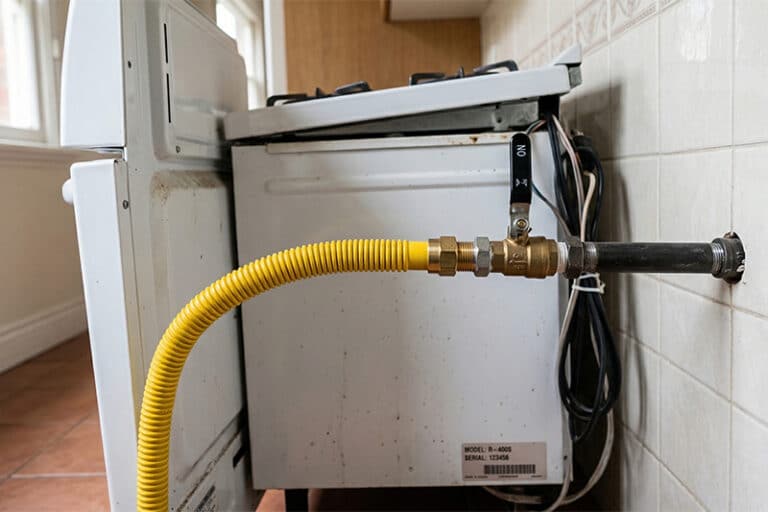
A gas leak isn’t something you can ignore or put off until tomorrow. Natural gas powers many of our home’s essential systems, stoves, water heaters, fireplaces, dryers, but when it escapes from a damaged line or faulty connection, it creates a serious safety hazard. We’re talking about potential fires, explosions, and health risks that can affect everyone in your household.
The good news? If you know what to look for and how to respond, you can protect your family and minimize damage. At Honest Plumbing, we’ve handled countless gas line emergencies throughout the Denver area, and we’ve seen firsthand how quick thinking makes all the difference. In this guide, we’ll walk you through the warning signs of a gas leak, the immediate steps you should take, what to avoid doing, and how to prevent future leaks. Let’s get into it.
Common Signs of a Gas Leak
Detecting a gas leak early can literally save lives. While natural gas is colorless, utility companies add a chemical called mercaptan to give it a distinct odor. But smell isn’t the only indicator, there are several warning signs you should be aware of.
Smell and Sound Indicators
The most recognizable sign of a gas leak is the smell. If you catch a whiff of something that resembles rotten eggs or sulfur, take it seriously. This isn’t a smell you can easily mistake for anything else, and it’s designed that way for a reason.
Beyond the odor, listen for unusual sounds near your gas appliances or lines. A hissing or whistling noise coming from a gas pipe, meter, or appliance connection often indicates gas escaping under pressure. Even a faint, persistent hiss shouldn’t be dismissed. We’ve responded to calls where homeowners initially thought the sound was coming from something else entirely, an air leak, maybe, or a drafty window. Trust your ears.
Outdoors, look for patches of dead vegetation in your yard, particularly near where gas lines run underground. Bubbling in standing water or puddles near your property can also signal a leak beneath the surface.
Physical Symptoms to Watch For
Gas leaks don’t just affect your home, they affect your body. Exposure to natural gas can cause a range of physical symptoms that often get mistaken for other illnesses.
Common symptoms include:
- Headaches that seem to come on suddenly and without explanation
- Dizziness or lightheadedness
- Nausea or upset stomach
- Fatigue and general weakness
- Difficulty breathing or shortness of breath
- Irritation of the eyes, nose, or throat
If multiple people in your household experience these symptoms simultaneously, especially when you’re all home together, it’s a red flag. Pets may also show signs of distress, acting lethargic or disoriented. If symptoms improve when you leave the house and return when you come back, that’s a strong indication something’s wrong with your indoor air quality.
Immediate Steps to Take When You Detect a Gas Leak
Time matters when you’re dealing with a potential gas leak. Here’s exactly what we recommend doing the moment you suspect there’s a problem.
First, don’t panic, but act fast. Open windows and doors immediately to ventilate the space. Getting fresh air flowing helps disperse the gas and reduces the concentration in your home.
Get everyone out. This includes family members, guests, and pets. Don’t stop to gather belongings or lock up. Just leave. Head to a safe distance away from your home, across the street or to a neighbor’s house works well.
Leave the door open behind you. This continues to help with ventilation and gives emergency responders easier access if needed.
Avoid using anything electrical. We’ll cover this more in the next section, but the short version is: don’t flip switches, unplug devices, or use your phone inside the house. Even small sparks can ignite gas.
Shut off the gas supply if you can do so safely. Your gas meter typically has a shutoff valve that you can turn with a wrench. But, only do this if you can access it without going back into the house or putting yourself at risk. If you’re unsure where it is or how to operate it, skip this step and let the professionals handle it.
Call for help from outside. Once you’re at a safe distance, contact your gas company’s emergency line and 911. Most utility companies have 24/7 emergency response teams specifically for situations like this.
Stay outside until you’ve received the all-clear from emergency responders or your gas company. It’s tempting to go back in once the smell seems to dissipate, but gas can accumulate in pockets, and only proper testing can confirm it’s safe.
What Not to Do During a Gas Leak
Knowing what not to do is just as important as knowing the right steps. Some actions that seem harmless can actually turn a manageable situation into a dangerous one.
Don’t turn on or off any electrical switches. This includes lights, fans, and appliances. The tiny spark generated when you flip a switch can ignite gas in the air. Even turning something off poses a risk.
Don’t use your phone inside the house. Cell phones and cordless phones can create small electrical charges. Make your emergency calls from outside, away from the affected area.
Don’t light matches, candles, or cigarettes. This one seems obvious, but in stressful moments, people don’t always think clearly. Any open flame is extremely dangerous in an environment with gas present.
Don’t start your car if it’s in an attached garage. The ignition system in your vehicle can produce sparks. If your car is in the garage, leave it there and walk away from the house.
Don’t try to locate the leak yourself. Unless you’re a trained professional with the right equipment, you won’t be able to safely identify where gas is escaping. Leave the detective work to the experts.
Don’t assume a fading smell means the problem is gone. Your nose can become desensitized to the smell of mercaptan over time. Just because you stop noticing the odor doesn’t mean the leak has stopped.
Don’t re-enter your home until professionals give you clearance. We understand the impulse to check on things, grab important items, or assess the damage. But going back inside before it’s confirmed safe puts you at unnecessary risk.
When and How to Contact Emergency Services
Every gas leak should be treated as an emergency until proven otherwise. Here’s when and how to get the right help.
Call 911 if:
- Anyone in your household is experiencing severe symptoms like difficulty breathing, confusion, or loss of consciousness
- You hear a loud hissing sound indicating a major leak
- There’s been any kind of fire or explosion
- You smell gas but can’t locate the source
Contact your gas utility company’s emergency line if:
- You detect a gas smell but everyone is safe and evacuated
- You notice signs of a leak outdoors, like dead vegetation or bubbling water
- A gas appliance is malfunctioning and you suspect a connection issue
Most utility companies can dispatch technicians within an hour for suspected leaks. Keep their emergency number saved in your phone, you’ll find it on your gas bill or on the company’s website. In the Denver area, Xcel Energy handles most residential gas service and has a 24-hour emergency line.
When you call, be prepared to provide:
- Your address and the nearest cross street
- A description of what you noticed (smell, sound, symptoms)
- Whether you’ve evacuated and shut off the gas
- Any relevant details about gas appliances in your home
After emergency services and your utility company have assessed the situation, you’ll likely need a licensed plumber to make any necessary repairs. That’s where we come in. At Honest Plumbing, we’re trained and licensed to handle gas line repairs, and we can work with you to get your home back to normal safely. We serve homeowners throughout the greater Denver area, including Arvada, Boulder, Lakewood, Westminster, and surrounding communities.
Returning Home After a Gas Leak
Once the immediate danger has passed, you’ll need to take a few more steps before life returns to normal.
Wait for official clearance. Whether it comes from the fire department, your gas company, or a licensed technician, you need confirmation that your home is safe to re-enter. Don’t rely on your own senses, they’re not accurate enough for this.
Have the leak professionally repaired. Even a small leak can become a significant problem if it’s not addressed promptly. A licensed plumber with gas line experience should locate and repair the issue before your gas service is restored. At Honest Plumbing, we handle gas line repairs using safe, proven methods to ensure your system is secure and compliant with all relevant codes and regulations.
Get your appliances inspected. Any gas-powered appliance that was near the leak, or that might have caused it, should be checked before you use it again. This includes stoves, water heaters, furnaces, and fireplaces. Don’t assume everything is fine just because it looks okay.
Ventilate thoroughly. Even after repairs, open windows and run fans to clear out any residual gas or odors. Give it a few hours before closing everything up again.
Document everything. Take photos of any damage, keep copies of repair invoices, and note the timeline of events. This documentation can be useful for insurance claims or future reference.
Monitor for recurring issues. In the days and weeks following a gas leak, stay alert for any returning signs, smells, sounds, or symptoms. If anything seems off, don’t hesitate to call a professional. It’s always better to be cautious.
Preventing Future Gas Leaks
The best way to handle a gas leak is to prevent it from happening in the first place. Here are practical steps we recommend to keep your home safe.
Schedule regular inspections. Having a licensed professional inspect your gas lines and appliances annually can catch small problems before they become emergencies. Look for signs of corrosion, loose connections, or wear on flexible gas lines.
Know your gas system. Familiarize yourself with where your gas lines run, where the shutoff valve is located, and which appliances are connected. This knowledge will serve you well in an emergency.
Install carbon monoxide detectors. While CO detectors don’t detect natural gas specifically, they can alert you to combustion problems with gas appliances that produce carbon monoxide. Place detectors on every level of your home and near sleeping areas.
Consider a natural gas detector. These devices are specifically designed to detect methane and propane leaks. They’re a worthwhile investment, especially in homes with multiple gas appliances or older gas lines.
Don’t DIY gas line work. We get it, there’s a certain satisfaction in handling home repairs yourself. But gas lines aren’t the place for experimentation. Improper installation or repairs can create leaks that go undetected until they become dangerous. Always hire a licensed professional for gas line installation and repair.
Replace aging appliances and connections. Gas appliances don’t last forever, and neither do the flexible connectors and fittings that attach them to your gas supply. If your water heater is making strange noises, your stove isn’t igniting properly, or your furnace is acting up, it’s worth having a professional take a look.
Be cautious during renovations. If you’re doing any digging in your yard or remodeling inside your home, know where your gas lines are located. Accidental damage during construction is a common cause of leaks.
At Honest Plumbing, we’re here to help with all your gas line needs, from running new lines for appliances or outdoor grills to fixing leaks and ensuring your system meets current safety codes. We offer fast response times and upfront pricing, so you’ll always know what to expect.
Conclusion
A gas leak is one of those situations where knowing what to do, and doing it quickly, can make all the difference. The signs aren’t always dramatic. Sometimes it’s just a faint smell or a headache that won’t go away. But taking those warning signs seriously and responding appropriately protects your family and your home.
Remember the basics: recognize the signs, evacuate immediately, avoid anything that could create a spark, and call for professional help from a safe distance. Once the emergency has passed, work with a licensed plumber to repair the issue and take steps to prevent future leaks.
If you ever smell gas or hear hissing near a line in your home, call us right away. At Honest Plumbing, we’re proud to serve homeowners throughout the greater Denver area with honest advice, quality workmanship, and the fast response times you need when something goes wrong. Your safety is too important to leave to chance, and we’re here to help keep your home running smoothly.