If you’ve ever run out of hot water mid-shower or watched your utility bills climb during Colorado’s cold months, you’re not alone. Many homeowners in Arvada and the surrounding Denver metro area are asking the same question: is it time to ditch the old tank water heater for something better?
At Honest Plumbing, we’ve helped countless families make this switch, and we can tell you firsthand that upgrading to a tankless water heater is one of the smartest investments you can make for your home. These compact units heat water on demand, which means no more waiting for a tank to refill and reheat. But the benefits go well beyond just convenience.
Whether you’re in Arvada, Wheat Ridge, Westminster, or anywhere in the Denver area, understanding how tankless systems work and what they offer can help you decide if this upgrade makes sense for your household. Let’s break it down.
Key Takeaways
- Tankless water heaters are 24–34% more energy efficient than traditional tank models, leading to noticeable savings on utility bills.
- Upgrading to a tankless water heater provides endless hot water on demand—no more waiting for the tank to reheat between showers.
- Tankless units last 20+ years compared to 10–15 years for traditional tanks, offering better long-term value and fewer replacements.
- The compact, wall-mounted design of tankless water heaters frees up valuable floor space in your home.
- Proper sizing and professional installation are essential to ensure your tankless system meets your household’s hot water demand.
- Many tankless water heaters qualify for energy rebates and federal tax credits, helping offset the higher upfront cost.
How Tankless Water Heaters Work
Traditional water heaters store 40 to 80 gallons of water in a tank, constantly heating it so it’s ready when you need it. That’s a lot of energy spent keeping water hot around the clock, even when you’re at work or asleep.
Tankless water heaters take a completely different approach. When you turn on a hot water tap, cold water flows through a pipe into the unit, where a gas burner or electric heating element heats it instantly. The water passes through a heat exchanger and comes out hot on the other end. No storage, no waiting, no standby energy loss.
This on-demand system means the heater only runs when you actually need hot water. For Arvada homeowners dealing with our cold winters, this is a big deal. Your system isn’t working overtime to keep a tank warm when temperatures drop. It’s just there, ready to go when you open the faucet.
Gas-powered tankless units tend to be more popular in our area because they can handle higher flow rates, which matters if you have a larger household. Electric models work well too, especially in smaller homes or as point-of-use units in specific locations like a guest bathroom.
Energy Efficiency and Lower Utility Bills
Here’s where tankless water heaters really shine. According to the U.S. Department of Energy, tankless units can be 24 to 34 percent more energy efficient than conventional tank heaters for homes that use 41 gallons or less of hot water daily. Even in households with higher demand, you’re still looking at 8 to 14 percent better efficiency.
Why does this matter? Because those efficiency gains translate directly into lower utility bills. Tank water heaters experience what’s called “standby heat loss.” They’re constantly burning gas or electricity to maintain water temperature, even when nobody’s using hot water. Tankless systems eliminate this waste entirely.
For homeowners in Arvada and throughout the Denver metro, energy costs can add up fast, especially during winter. A tankless water heater won’t single-handedly cut your bills in half, but the savings are real and they compound over time. Many of our customers report noticeable reductions in their monthly gas or electric bills within the first year.
It’s worth noting that your actual savings depend on several factors: your household size, hot water usage patterns, the type of fuel you use, and local utility rates. But for most families, the math works out in favor of going tankless.
Endless Hot Water on Demand
Anyone who’s ever been the last person to shower in the morning knows the frustration of lukewarm or cold water. With a traditional tank heater, once you’ve used up the stored hot water, you’re stuck waiting 20 to 30 minutes for the tank to recover.
Tankless water heaters solve this problem completely. Because they heat water as it flows through, you get a continuous supply of hot water for as long as you need it. Back-to-back showers? No problem. Running the dishwasher while someone takes a bath? You’re covered.
This is particularly valuable for larger families in Arvada or homes where multiple people have similar schedules. We’ve worked with plenty of households where the morning rush was causing real headaches. Upgrading to a tankless system meant everyone could get ready without timing their showers around the water heater’s recovery time.
There is one important caveat: tankless units have flow rate limits. If you try to run three showers, a dishwasher, and a washing machine all at once, even a high-capacity unit might struggle to keep up. But for typical household usage, you’ll have all the hot water you need, whenever you need it.
For homeowners in Westminster and Wheat Ridge with busy households, this alone can be reason enough to make the switch.
Space-Saving Design
If you’ve ever seen a traditional tank water heater, you know they’re not exactly compact. A standard 50-gallon unit takes up about five square feet of floor space and stands nearly five feet tall. In smaller homes, condos, or houses with limited utility space, that’s valuable real estate.
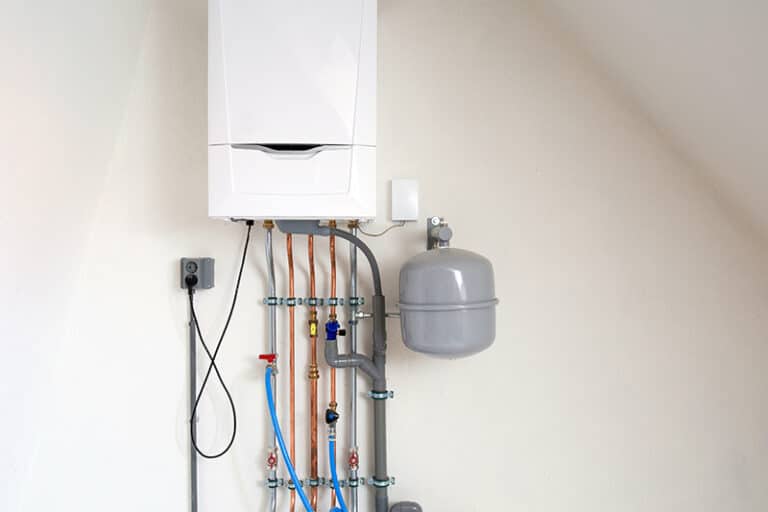
Tankless water heaters are roughly the size of a small suitcase. They mount directly on a wall, which means they can be installed in closets, utility rooms, basements, garages, or even outdoors with the right weatherproofing. This frees up floor space for storage or other uses.
In Arvada’s older neighborhoods, we see a lot of homes with cramped basement utility areas or water heaters tucked into awkward corners. Switching to a wall-mounted tankless unit can make a surprising difference in how usable that space becomes. We’ve had customers reclaim enough room to add shelving, a small workshop area, or just have a cleaner, more organized utility space.
For new construction or remodels, tankless systems offer even more flexibility. You can place them closer to the point of use, which can reduce the time it takes for hot water to reach the tap and cut down on water waste.
Longer Lifespan and Durability
Traditional tank water heaters typically last 10 to 15 years with proper maintenance. Tankless units, on the other hand, often last 20 years or more. That’s a significant difference when you’re thinking about long-term value.
Why do they last longer? A big part of it comes down to the tank itself. Traditional water heaters store large volumes of water, which means constant exposure to minerals, sediment, and the corrosive effects of heating and cooling cycles. Over time, this leads to rust, sediment buildup, and eventually tank failure. When a tank fails, you’re often dealing with leaks and potential water damage.
Tankless systems don’t have this problem. There’s no large reservoir of water sitting around, so there’s less opportunity for corrosion and mineral buildup to cause major issues. The components can still wear out and need replacement, but the overall system tends to hold up much better over time.
For Arvada homeowners, this longer lifespan means fewer replacements over the life of your home and less risk of coming home to a flooded basement because your tank gave out. We always recommend annual maintenance to keep any water heater running well, but tankless units generally require less intensive upkeep than their tank counterparts.
Environmental Benefits
Using less energy isn’t just good for your wallet. It’s also better for the environment. Because tankless water heaters operate more efficiently and eliminate standby heat loss, they reduce overall energy consumption and lower your household’s carbon footprint.
For homes using natural gas, higher efficiency means burning less fuel to heat the same amount of water. For electric models, it means drawing less power from the grid. Either way, you’re contributing to lower greenhouse gas emissions over the life of the unit.
Many tankless water heaters also qualify for energy efficiency rebates or federal tax credits. The specifics change from year to year, so it’s worth checking current programs when you’re ready to buy. These incentives can help offset the higher upfront cost of going tankless.
In the Denver metro area, where air quality and environmental concerns are increasingly on people’s minds, choosing more efficient appliances is one practical step homeowners can take. It’s not going to save the planet on its own, but it’s part of a broader shift toward more responsible energy use.
At Honest Plumbing, we’re happy to help Arvada and Denver area homeowners understand which models qualify for rebates and how to take advantage of available incentives.
Factors to Consider Before Upgrading
Tankless water heaters offer real advantages, but they’re not the right choice for every situation. Before you make the switch, there are a few important factors to think through.
Upfront Costs and Installation Requirements
Let’s be upfront: tankless water heaters cost more than traditional tank units, both for the equipment and the installation. A quality tankless system can run anywhere from $1,000 to $3,000 or more for the unit alone, and installation typically adds another $1,000 to $2,000 depending on your home’s setup.
Why the higher installation costs? Switching from a tank to tankless often requires modifications. Gas models may need a larger gas line to supply enough fuel for on-demand heating. You might need new venting to handle exhaust from a high-efficiency unit. Electric models can require upgraded electrical panels or dedicated circuits.
In older Arvada homes, these upgrades are more common. The infrastructure that worked fine for a 40-gallon tank heater may not be adequate for a tankless system. We always do a thorough assessment before recommending any installation, so there are no surprises.
The good news is that lower operating costs and longer lifespan often make up for the higher initial investment over time. But if you’re on a tight budget right now, it’s worth weighing whether those long-term savings fit your financial situation.
Household Hot Water Demand
Sizing matters with tankless water heaters. Unlike tanks, which are rated by storage capacity, tankless units are rated by flow rate, measured in gallons per minute (GPM). You need a unit that can handle your household’s peak demand.
Think about your typical high-usage moments. Are there times when multiple showers run at once? Do you run the dishwasher while someone’s bathing? Each fixture and appliance has a flow rate, and your tankless heater needs to keep up with the combined demand.
For smaller households or homes with staggered hot water use, a single tankless unit usually works great. Larger families or homes with high simultaneous demand may need a higher-capacity unit or even multiple units installed in parallel.
We help homeowners throughout Arvada, Wheat Ridge, Westminster, and Denver figure out exactly what size they need. Getting this right is crucial. An undersized unit will struggle to deliver hot water when you need it most, which defeats the whole purpose of upgrading.
Conclusion
Upgrading to a tankless water heater offers real, practical benefits for Arvada homeowners: lower energy bills, endless hot water, more space in your utility area, a longer-lasting system, and a smaller environmental footprint. It’s not the right fit for everyone, but for many households, the advantages clearly outweigh the higher upfront cost.
The key is making sure the installation is done right. Proper sizing, adequate gas or electrical supply, and correct venting are all essential for getting the performance you expect. That’s where working with an experienced local plumber makes all the difference.
At Honest Plumbing, we’ve helped homeowners throughout Arvada, Denver, Wheat Ridge, and Westminster make the switch to tankless systems. We’ll assess your home, discuss your hot water needs, and recommend a solution that fits your budget and lifestyle. No pressure, no sales pitch. Just honest advice from a plumber who wants to get the job done right.
If you’re thinking about upgrading your water heater, give us a call. We’re happy to answer your questions, provide a quote, and help you decide if tankless is the way to go. Your next hot shower could be the best one yet.
Frequently Asked Questions About Tankless Water Heaters
How does a tankless water heater work?
A tankless water heater heats water on demand rather than storing it in a tank. When you turn on a hot water tap, cold water flows through the unit where a gas burner or electric element heats it instantly. This eliminates standby energy loss and provides continuous hot water whenever you need it.
How much more energy efficient is a tankless water heater compared to a traditional tank?
According to the U.S. Department of Energy, tankless water heaters can be 24 to 34 percent more energy efficient for homes using 41 gallons or less of hot water daily. Even high-demand households see 8 to 14 percent better efficiency, translating to lower monthly utility bills.
How long do tankless water heaters last?
Tankless water heaters typically last 20 years or more with proper maintenance, compared to just 10 to 15 years for traditional tank units. The longer lifespan is due to reduced exposure to corrosion and sediment buildup since there’s no large water reservoir constantly storing water.
What is the average cost to install a tankless water heater?
A quality tankless water heater unit costs between $1,000 and $3,000, with installation adding another $1,000 to $2,000 depending on your home’s setup. Additional costs may include upgrading gas lines, venting, or electrical panels, especially in older homes.
Can a tankless water heater supply hot water to multiple fixtures at once?
Yes, but within limits. Tankless units are rated by flow rate in gallons per minute (GPM). A properly sized unit handles typical simultaneous use like back-to-back showers or running a dishwasher while bathing. Larger households may need a higher-capacity unit or multiple units installed in parallel.
Are there tax credits or rebates available for tankless water heaters?
Many tankless water heaters qualify for energy efficiency rebates or federal tax credits. The specific programs and amounts change annually, so check current offerings when you’re ready to purchase. These incentives can help offset the higher upfront cost of upgrading to a tankless system.